
Step into a
career that
conserves the wild
Bushwise
Practical Conservation Management Course - 6/12 months
The most practical way to launch your conservation career: live and learn at a research station in a Big 5 game reserve. Gain research, monitoring, and field operations skills – and if you opt for the 12-month course, you’ll do a 6-month work placement.
DURATIONS: 6 or 12 MONTHS
NEXT START DATE: 1 AUG 2026
FORMAT: ON-CAMPUS
ACCREDITATION: BUSHWISE
AGE: 18+


Course details
Walk a wilder path
Do you have a passion to protect wildlife and want to make it your career? Our Practical Conservation Course is the ultimate way to build real field experience and a thriving career.
This course is perfect for you if you:
✔ Want to start a conservation career (even without prior academic experience or certifications).
✔ Just finished school or university and are looking for a meaningful gap year to build experience, confidence, and skills.
✔ Already hold a conservation or related degree and want real, practical field experience to break into the industry.
Learn by doing real conservation work
Over six months, you’ll gain hands-on experience through fieldwork, training, and guided learning.
-
Each module connects theory directly to practical work in the field.
-
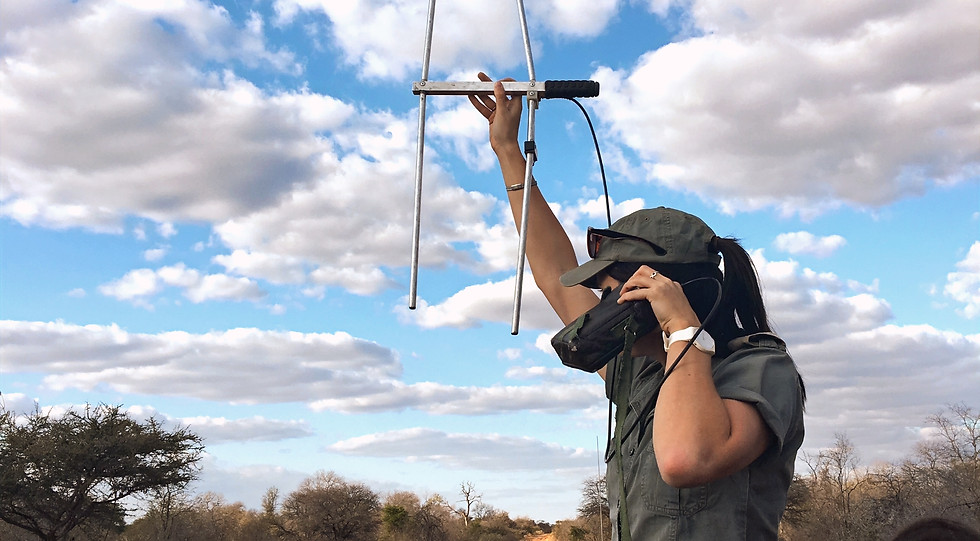
You’ll get the opportunity to participate in wildlife monitoring, track animals such as cheetahs and rhinos, collect field data, and help with conservation work in the reserve.
-
You’ll also learn how ecosystems work and start to understand animal behaviour through direct experience.
-
To support your professional and personal development, you’ll also participate in one-on-one and group mentoring sessions presented by one of our expert field teams.

Real work experience: 12-month course
If you choose the 12-month course option, you’ll get the chance to do a 6-month work placement directly after the 6-month course is completed.
-
Your placement will be with a conservation organisation in South Africa or in other countries such as Costa Rica, Madagascar, or Seychelles.
-
During your placement, you will use what you have learned in a real working environment and gain further experience in conservation projects. This also helps you build your CV, meet professionals in the field, and grow your network.
-
For those who meet the eligibility criteria, we also offer:
-
An employment guarantee within 12 months of completing your course.
-
Access to our dedicated career support team, who’ll help you polish your CV, prepare for interviews, and connect with trusted employers around the world.
-
Course overview
Step into hands-on conservation in a working wildlife reserve in South Africa. Your training is built around 12 Conservation Research Modules (CRMs), with a new module every two weeks, each focusing on a different area of conservation and including fieldwork, a practical project, and an assessment. This keeps your learning practical and closely connected to real conservation work.
Alongside the CRMs, you will also join the Karongwe conservation management team in the field, contributing to biodiversity surveys and other ongoing conservation initiatives. This is where you apply your skills in real time, whether that means observing herd behaviour, tracking wildlife, setting up camera traps, or collecting field data that supports active management decisions.
Beyond the core modules, you’ll also complete Professional Field Operations Training. These sessions focus on essential field skills such as project management, safety, teamwork, and working effectively in conservation environments.
Together, the CRMs, fieldwork experience, and professional field operations training create a fully immersive learning experience that builds both practical skills and real-world conservation understanding.
Why study with Bushwise?

Driven by conservation
Bushwise was founded by a passionate conservationist to meet the need for professionals who protect natural environments ethically. Since 2006, we’ve been training graduates to excel in diverse conservation roles. With a curriculum covering topics such as conservation and African wildlife, you’ll graduate equipped to pursue a career in wildlife conservation management.

An industry-first employment guarantee*
Bushwise offers the only employment guarantee in the industry. We’re confident in the quality of our training, so much so that we guarantee eligible South African graduates of our 12-month course will receive a job offer within twelve months of qualifying. Learn more about our guarantees here.
*Available to eligible students only. Terms and conditions apply.

Award-winning trainers
The Bushwise team includes award-winning guides such as Nico Brits, a category winner at the Safari Guide of the Year competition in 2022. Our trainers are experts dedicated to continually expanding their knowledge and skills. Together, they bring over 150 years of combined experience across specialities like wildlife behaviour, conservation, rifle handling, botany, and more, making us a specialised and committed team.

No. 1 rated on TrustPilot
We’re proud to be the top-rated wildlife careers training provider on TrustPilot, with consistently high ratings across other review platforms like Google, Facebook, GoAbroad, and GoOverseas. Our graduates leave well-prepared, professional, and confident, and their reviews speak volumes about the quality of our training and support.

Guaranteed work placements*
For our 12-month course students: after completing six months of training, you’ll embark on a six-month work placement at a real lodge, reserve, or conservation organisation. This invaluable experience boosts your CV, helps you build a professional network, and gets your foot in the door. Placements include luxury lodges across Southern Africa, as well as international opportunities in destinations such as Kekoldi, Costa Rica, or Chiang Mai, Thailand. Learn more about our guarantees here.

Industry’s only 360° recruitment division
Bushwise has a built-in 360° recruitment division designed to support professionals across the wildlife industry. With our large network of partners across Southern Africa and beyond, we make it even easier for qualified professionals to find the right job.
Whether it’s permanent placements, short-term contracts, or seasonal roles, our recruitment team works with graduates and experienced professionals alike. We also offer free one-on-one career advice to help you navigate your next step. From job matching and personalised support to assisting organisations in building strong teams, our recruitment division connects the best people with the best opportunities – all under one roof.
.jpg)
6 campuses across Big 5 wilderness areas
Bushwise operates from 6 different campuses in South Africa, more than any other training provider in Southern Africa.
One of our key locations is within the Sabi Sands Game Reserve,in the Greater Kruger National Park. Here, students learn in an environment known for its rich biodiversity, strong conservation history, and some of the highest leopard densities on the continent.

Global opportunities
Bushwise opens doors to unique work placements in remote and exciting destinations like Costa Rica, Thailand, Madagascar, and more. Many of our students have leveraged their training to build careers around the world, with graduates working in places like Patagonia, the USA, Malawi, Zambia, Tanzania, Mozambique, Namibia, Rwanda, and beyond.
_edited.jpg)


.jpg)


_edited.jpg)



.jpg)

.jpg)


_edited.jpg)


