The resilience of the cheetah
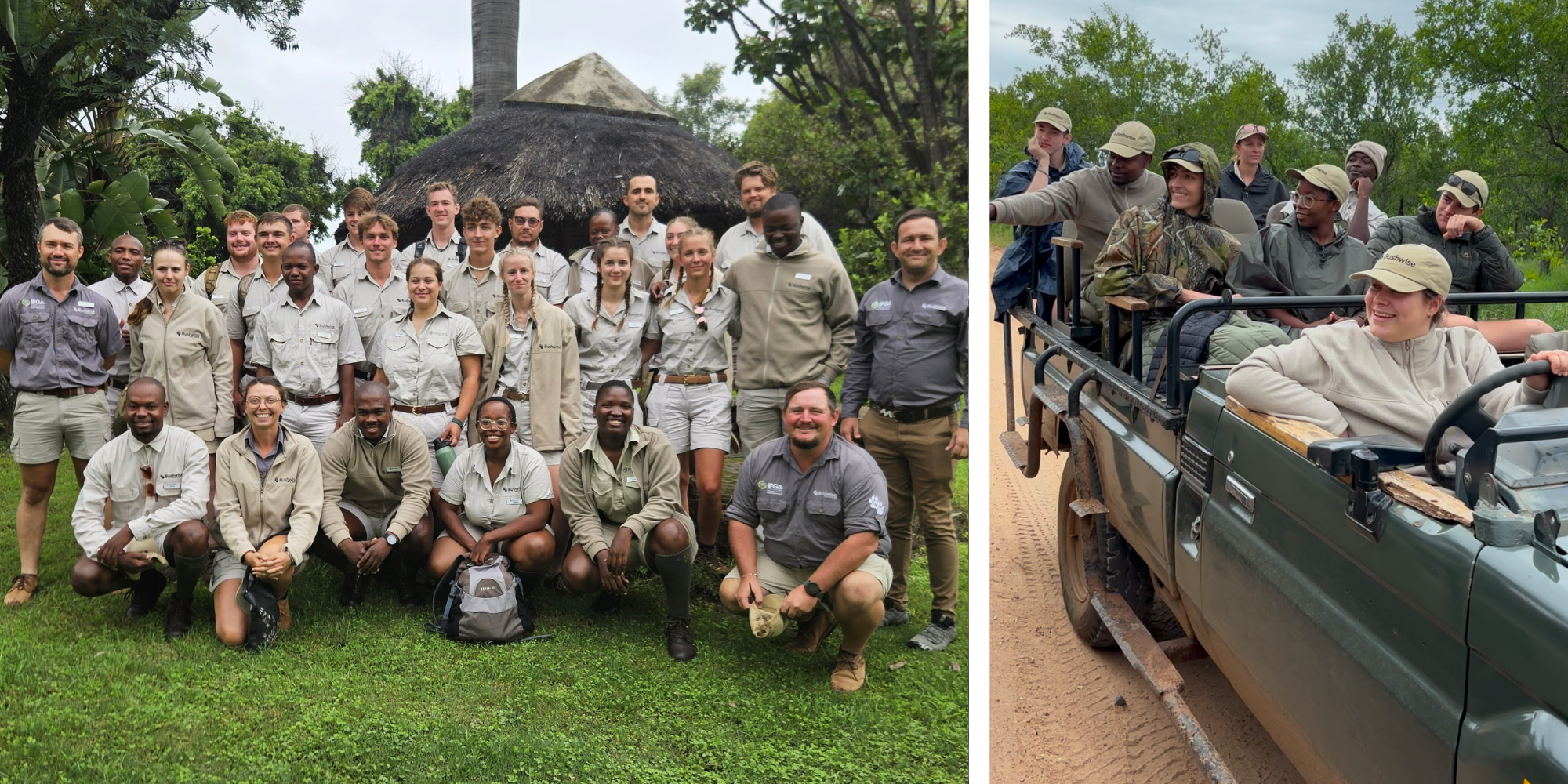
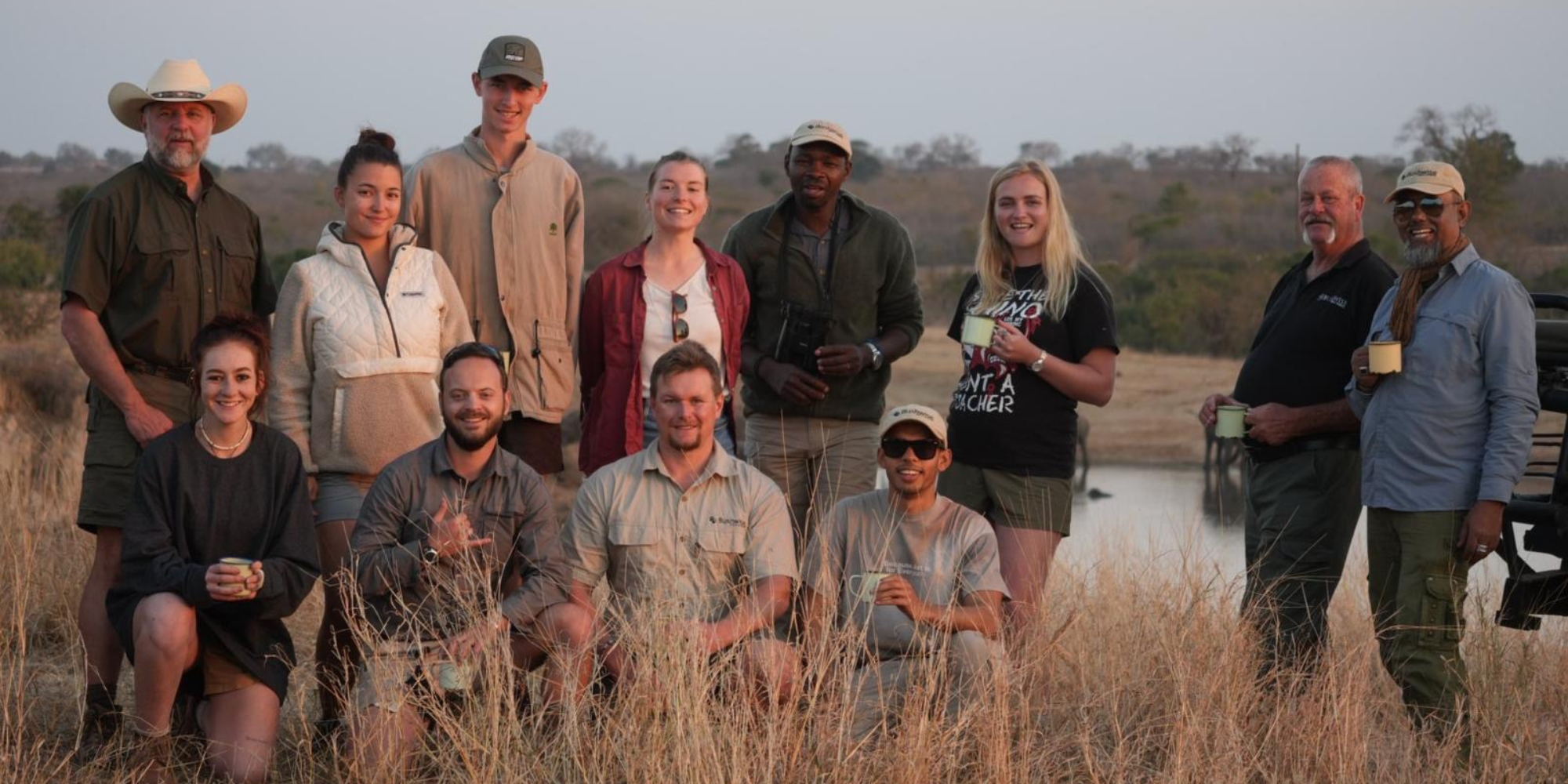
This blog was written by Eline Kemper, a Bushwise International Field Guide student. Each student takes a turn as camp manager, and writing a blog is part of the experience.
4 min read
I am currently enjoying my third semester with Bushwise and I have had the chance to see my favourite animal twice so far! Last week, we saw two juvenile cheetahs quite up close. We think they are brother and sister who only just left their mother. I have been waiting to see cheetahs out in the wild in South Africa for years, so I count myself very lucky.
It is the beauty of cheetahs that captured me first: their spots, tear marks, and honey-brown eyes. But, it was after I did my research on them that I came to appreciate them even more. I admire their personality, but especially their resilience, which is what I would like to share some information on with you in this blog.
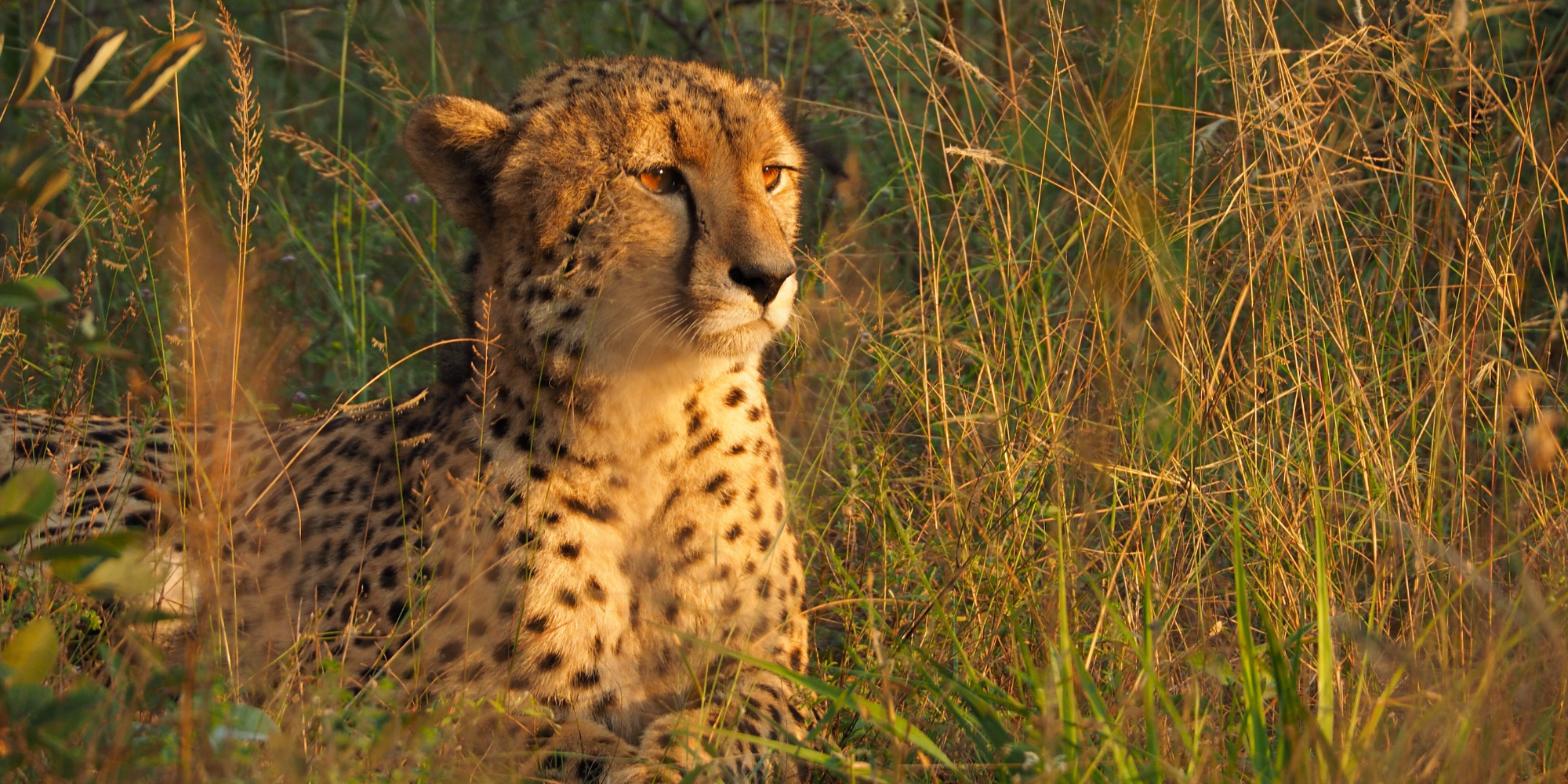
Female cheetahs are solitary animals, except when they are raising their cubs. Male cheetahs can be solitary as well, but usually form coalitions. These coalitions consist of one or up to four other male cheetahs, usually their littermates. Males provide no parental care; this responsibility lies with the mother. Therefore, the primary key to the survival of cheetah cubs is the mother. Another reason why the mother is so important is because cheetah cubs are altricial at birth.
“Altricial” is one of the words I became familiar with during my last semester with Bushwise. It means that an animal is born in an undeveloped state; they are helpless at birth. Cheetah cubs have their eyes closed for four to 11 days after birth and have no locomotive competency. After 12 to 13 days they can start walking. And it is only after 18 months that the cubs reach their adolescence and are ready to become independent.
Currently, the cheetah population is decreasing rapidly. According to reports, there are approximately only 7100 cheetahs left in the wild and they lost 91% of their historic range due to habitat loss and fragmentation.
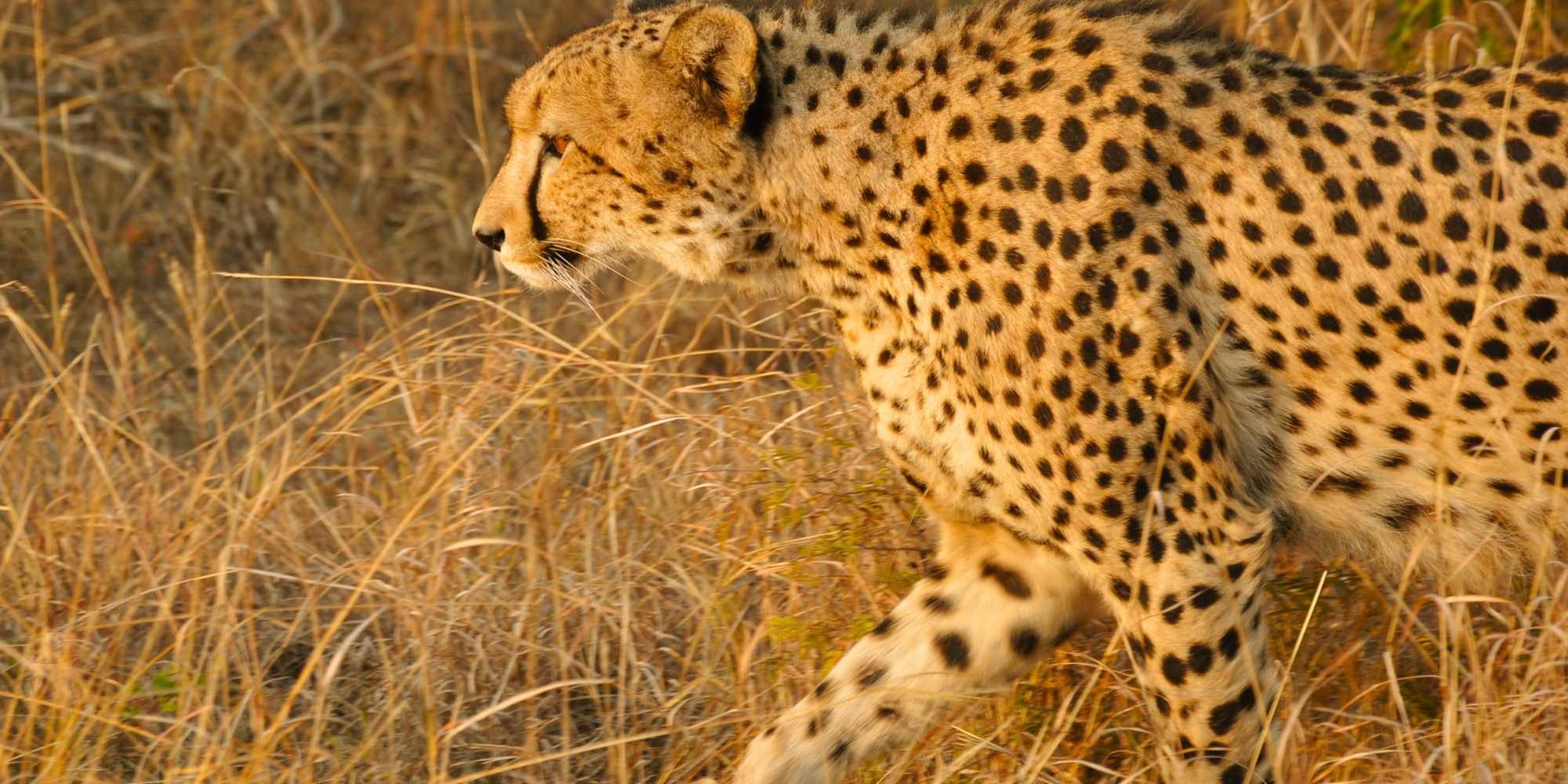
The steep decline in cheetah populations is a result of several causes and one of them is their high offspring mortality. This high offspring mortality has different causes. For example, shortages of food and/or water, climate change, being killed by farmers, and the illegal trade.
Extreme poverty is one reason for the illegal trade in cheetahs. The other suspected reason is the desire for exotic pets in the Middle East. Nevertheless, the biggest cause of high offspring mortality is predation by lions and hyaenas. There is no exact estimated percentage of the overall mortality rate of cheetah offspring and the offspring mortality of cheetahs can also differ per area.
However, here are a few statistics that can give you an idea. A study on cheetah cub survival on the Serengeti Plains and in the Kgalagadi Transfrontier Park showed that 4.8% of the cubs that were born survived until their adolescence in the Serengeti Plains and 35.7% in the Kgalagadi Transfrontier Park. According to other research, the average percentage of cubs that survive until their adolescence is 30%. Thus, the mortality rate for cheetah cubs found in this research is 70%.
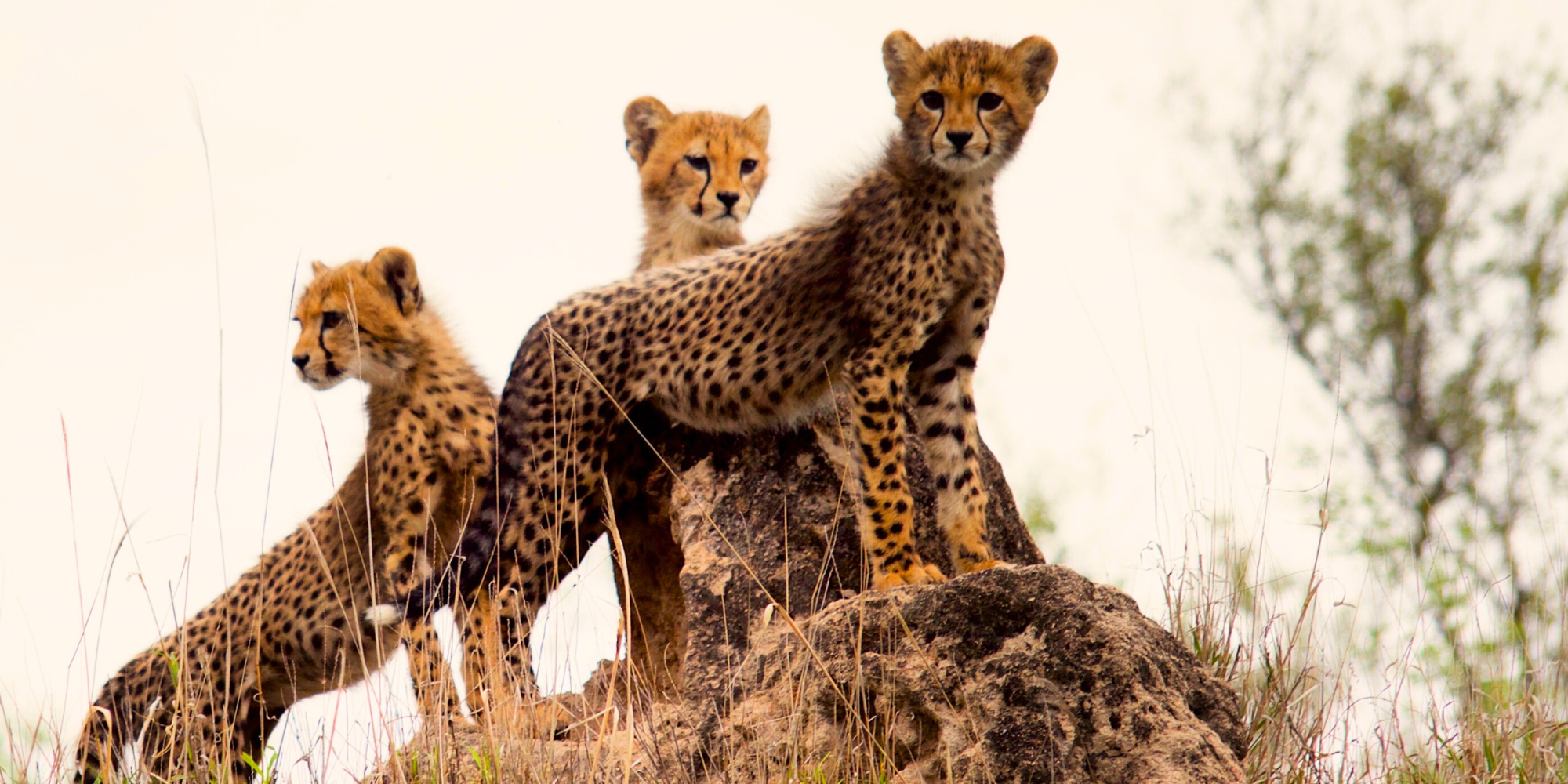
According to M. Laurenson, “cheetahs suffer high offspring mortality rates compared to other large felids”. These percentages were alarming to me, but here comes the fascinating part: three traits of the reproductive physiology of the cheetah are thought to have evolved as an adaptation to their high offspring mortality. Namely: they can restart their oestrus cycle quickly after losing a litter, they have one of the shortest intervals between litters and they have a large litter size compared to other felids.
If a female cheetah loses a litter, her oestrus cycle restarts quickly. The female comes into oestrus and can be pregnant with young again within 19 days after losing her litter. Second, they have one of the shortest intervals between litters, compared to other large felids. And third, cheetahs have a large litter size compared to other felids. The average litter size of cheetahs is four, but their litters can range in size from one to eight cubs. Meanwhile, other felids have litters with an average of three, which ranges from one up to five.
It is admirable how cheetahs, but also animals in general, evolve to become resilient to the challenges they have to deal with. I could write another 10 blogs on the cheetah, there is so much that is interesting about them, but for now, I am going to leave it here. I hope I will be able to do conservation work one day to observe their (resilient) behaviour and protect them. I believe doing the International Field Guide Course with Bushwise is a good place to start this journey!
Ready to make an impact in wildlife conservation? Explore Bushwise courses and apply today to start your journey in field guiding and protecting endangered species!