Addressing Desertification: Solutions for a Greener Future
This blog about desertification was by Bushwise Professional Field Guide student Kholofelo Sebola. As part of their training, each student submits a researched blog based on a topic of their choice. Opinions contained in these blogs are the student’s.
3 min read
What is desertification?
Desertification is the process by which an arid or semi-arid landscape is degraded over time, due to various factors including climatic variations and human activities. Or in short, it’s when land that was one type of biome turns into a desert biome.
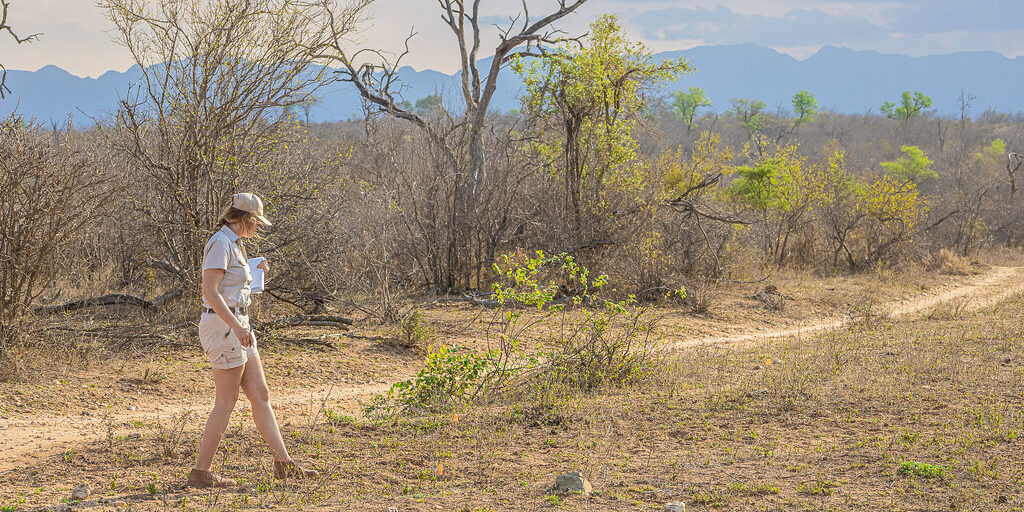
A huge issue that many countries are facing is the fact that there are large pockets of land that are going through this. Observing rain and vegetation in the Kruger National Park, there is no sign or record that has shown land turning into a desert – thankfully due to the fact that the ecosystem is being well managed by conservationists and ambassadors of the natural environment.
Desertification often occurs in areas with heavy farming, where land is stripped over time of top soil and protective vegetation. Desertification also makes land almost impossible to farm, and attempting to farm in this land can cost a lot of money for special technology. When desertification makes land totally unfarmable, farmers will then have to sell their land and leave the area. This can lead to localised food shortages.
Desertification and habitat destruction
When landscapes erode due to desertification, this causes habitat destruction. In general the destruction of habitat and desertification may also contribute to the loss of biodiversity. While some species may be able to adjust to the environmental conditions, many others will not be able to do so and so they will suffer from population decline and possibly extinction.
With both the farmers and animals not being able to use the desertified land, migration of both humans and animals may take place. This might then result in a clash between the wildlife and humans which will lead to policies changing for land use.
There are so many reasons that cause desertification, but one that stands out in the landscape around Kruger National Park is mining. Large amounts of resources have been extracted, which cause pollution in nearby areas.
What can we do to prevent desertification?
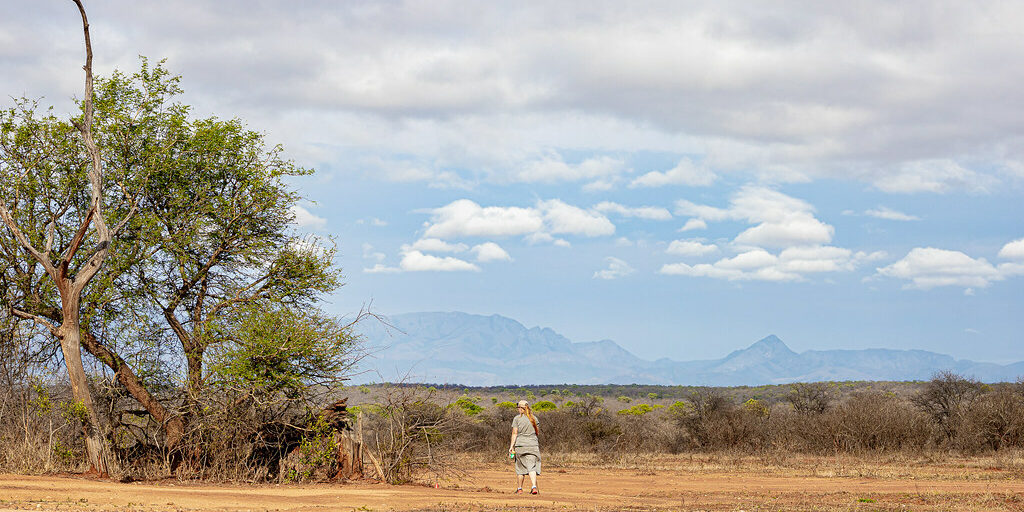
One way to decrease desertification is to keep nature reserves intact and protect the habitat of many animals and plants. To do this, there should be proper areas allocated for farming commercially and mining. Resources should also be committed to technology to support sustainable farming.
Rehabilitation efforts in places that are already affected by desertification may help ensure the restoration of these affected ecosystems. This will also prevent this issue from becoming even more widespread. A much more proactive response would be reforestation whereby indigenous plants and trees are planted in those areas. This is quite important to slow down global warming and maintain natural balance.
Out of everything that has been said, education must not be left out because it is an important tool that needs to be utilised in order to help people to understand the best way to use the land and what exactly they must do to avoid destroying it.
Learn more about desertification and ways we can prevent habitat erosion, when you do a course with Bushwise. Apply today and start your wild career journey!
#bushwise #safariguide #habitatfragmentation #desertification #apprenticefieldguide #ifga #endangeredspecies #Assessments #habitatdestruction #conservation #studying